Bathroom Tiles: A Complete Guide
Date
2026-01-10 11:43:34
Category
Bathroom
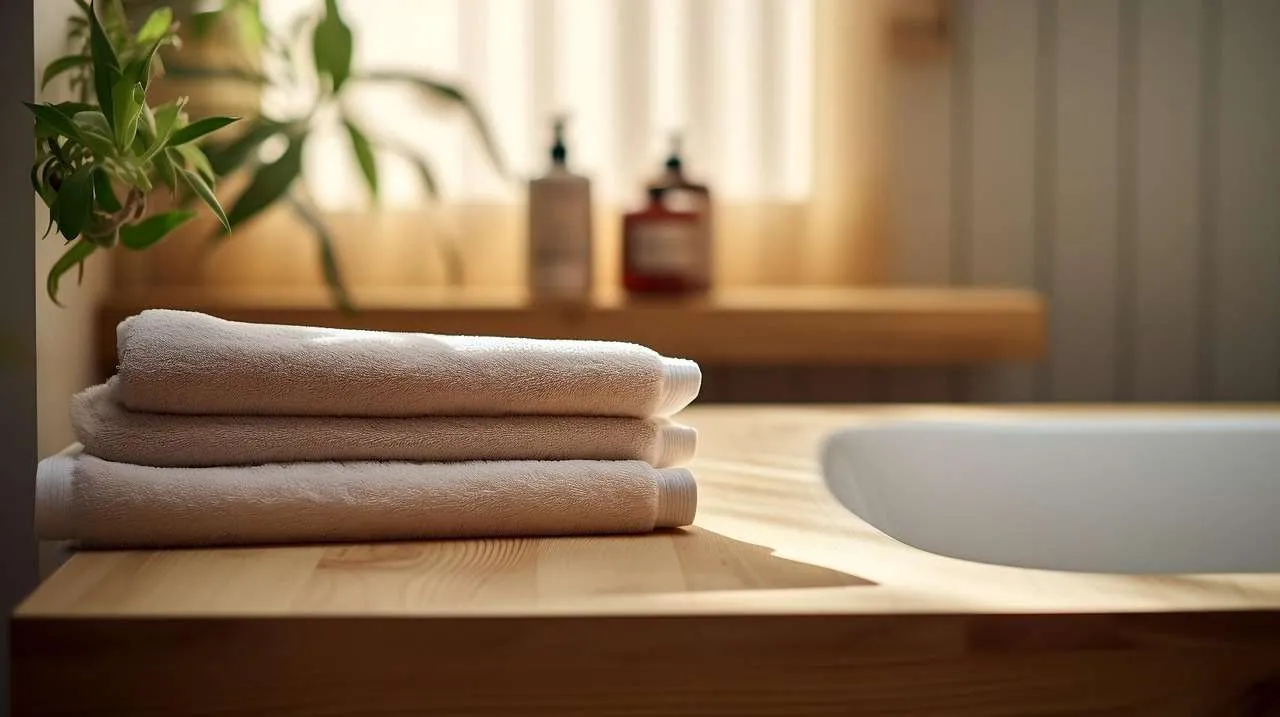
As a design and renovation expert with ten years of experience, I’ve seen how bathroom tiles shape the look, feel, and durability of a bathroom. This guide consolidates practical advice from designers, tilers, and homeowners to help you choose tiles that perform and look great over time.
Why bathroom tiles matter
Tile protects walls and floors from moisture, supports cleaning, and sets the style direction for a bathroom. The right tile can improve resale value, reduce maintenance, and create a sense of space. From moisture resistance to slip safety, every choice has trade-offs. Consider both function and aesthetics when planning a project.
Choosing tile types for bathrooms
Porcelain vs ceramic
Porcelain tiles are dense and water resistant, with low water absorption and high durability. They are ideal for floors and showers in busy homes. Ceramic tiles are more affordable and easy to install for walls or backsplashes, but require proper sealing in wet areas. If you choose ceramic, look for a glaze that offers water resistance and a compatible slip rating for floors.
Natural stone vs ceramic glaze
Natural stone brings warmth and unique veining but requires maintenance and sealing. Marble, travertine, or limestone can elevate a bathroom, yet they demand periodic resealing and careful cleaning. Glazed ceramic or porcelain mimics stone while offering lower maintenance and better stain resistance.
Glass and other accents
Glass tiles add light reflection and a contemporary touch, but they can be slippery when wet on floor applications and may require more grout lines for stability. Use glass primarily on walls or as accents rather than full floors, and pair with complementary tones to avoid a busy look.
Size, layout, and patterns
Tile size influences maintenance and the perception of space. Large format tiles reduce grout lines and feel modern, while small mosaics create detailed bathroom niches and shower niches. Subway tiles, stacked squares, or herringbone patterns can transform a room. Consider layout practicalities, such as cutting waste, kneeling space, and the height of the vanity backsplash.
Color, finish, and grout
Finish affects slip resistance and cleaning effort. Matte finishes hide water spots better but can be more challenging to clean in some environments. Gloss finishes clean easily but show limescale. Grout color matters as well; matching grout to tile softens lines, while contrasting grout adds visual texture. For wet zones, consider epoxy grout for stain resistance and longevity.
Durability, safety, and maintenance
In a bathroom you want tiles that last. Look for tiles with appropriate abrasion ratings and a non slip surface for floors. Slip resistance is rated using classes; R9 is basic while R11 or higher provides better traction in wet areas. Pei ratings indicate the tile surface durability. For maintenance, use pH-balanced cleaners and seal stone if used. Regular regrouting or resealing ensures a long life.
Installation considerations and costs
Professional installation is often worth the investment for bathrooms, due to waterproofing requirements and precise layout. Prepare by choosing the tile layout, ordering extra tiles for cuts, and ensuring waterproof membranes are installed behind walls and floors. Budget for thinset, grout, sealants, and labor. If you DIY, study a reliable guide, invest in quality tools, and work in a dry, clean environment.
Tile types at a glance
| Tile Type | Best For | Pros | Cons |
|---|---|---|---|
| Porcelain | Floors and showers | Very durable, low water absorption, versatile looks | Can be harder to cut, heavier |
| Ceramic | Walls and backsplashes | Affordability, easier to cut | Less durable on floors in busy homes |
| Natural Stone | Accent areas | Warmth and unique veining | Requires sealing and maintenance |
| Glass | Backsplashes and accents | Reflects light, modern feel | More grout lines, slippery on floors |
Care and long-term planning
Maintenance extends the life of tiles. Wipe spills promptly, use non abrasive cleaners, and reseal stone periodically. Plan for occasional regrouting to refresh the look. Keep an eye on grout discoloration in showers and troubleshoot leaks early to prevent water damage.
Conclusion, choosing the right bathroom tiles balances aesthetics and durability, while proper installation and maintenance protect your investment for years to come. By understanding tile types, sizes, finishes, and grout, you can create a bathroom that remains stylish and functional through daily use.
Related Articles
Bathroom Tile: Complete Guide
Read More >
Bathroom Decor: Elevate Your Space
Read More >
Bathroom Decor Ideas: Stylish & Practical
Read More >