Roofing and Roof Repairs: Expert Guide
Date
2026-01-10 11:44:22
Category
Roof

Roofing is the first line of defense for any home, and understanding roof repairs is essential for protecting your investment. A well maintained roof improves energy efficiency, safeguards valuables, and preserves property value. This guide on roofing and roof repairs is designed for homeowners who want practical, trustworthy advice grounded in expertise and credible practices. By focusing on reliable assessment, proven repair methods, and choosing reputable professionals, you can address issues confidently and minimize long term risk.
Understanding Roofing and Roof Repairs
Roofing refers to the system of materials and components that shield a structure from weather. Roof repairs are the interventions that fix damaged parts to restore performance and prevent further harm. When evaluating roof problems, it is vital to distinguish cosmetic wear from structural concerns. A professional assessment may reveal hidden damage such as rotten decking or deteriorated flashing that is not visible from the ground. Regular inspections after storms help catch problems early, keeping repair costs manageable. For homeowners, knowing the basics of common roof systems — shingle, metal, tile, or flat roofs — aids in selecting repair methods and materials that suit climate, roof pitch, and budget.
When to Consider Roof Repairs
Not every roof issue requires a full replacement. Common repair scenarios include active leaks at valleys, isolated damaged shingles, flashing gaps around chimneys or vents, and clogged gutters that force water to back up under the edge. Addressing leaks promptly reduces interior damage and protects insulation. If a single section shows wear while the rest of the roof remains sound, a targeted repair can extend life without the cost of a full replacement. Persistent moisture, attic mildew, or noticeable sagging are signals to call a reputable roofer for an in person inspection.
Leaking Roof
Leaks may originate from damaged shingles, flashing, or roof penetrations. A small drip can indicate a larger problem behind the scenes, such as compromised decking. A professional can probe for mold risk and ensure proper sealants and installation to prevent future leaks.
Missing or Damaged Shingles
Missing or curling shingles expose the underlayment to sun and moisture. Replacing damaged shingles restores the roof's barrier and can prevent further wear. It is often economical to fix individual shingles rather than performing a full replacement, depending on age and material condition.
Damaged Flashing and Valleys
Flashing around chimneys, vents, and roof joints maintains a water seal. When flashing fails, water can seep into the attic and speed up rot. Repair typically involves resealing seams or replacing the metal pieces and flashing as needed.
Moss, Algae and Debris
Organic growth and debris trap moisture and deteriorate shingles over time. Gentle cleaning and moss treatment protect roof surface; avoid aggressive pressure washing that can damage the shingle. Regular low pressure rinsing helps maintain longevity.
Choosing a Roofing Contractor
Expertise and trust are critical for roof repairs. Look for a licensed and insured contractor with a proven track record. Ask for written estimates, a clear scope of work, and a warranty covering materials and workmanship. Check online reviews and request references from recent jobs. Confirm that the contractor will obtain necessary permits and perform work to local building codes. A transparent contract with a detailed timeline helps prevent misunderstandings and protects both parties.
Costs and Materials Overview
Repair costs vary with roof type, extent of damage, and roof pitch. For asphalt shingles, small repairs may cost a few hundred dollars, while larger patches or section replacements can reach into the low thousands. Metal roofs often command higher upfront costs but offer durable performance and longer warranties. When evaluating options, consider the remaining life of the roof, the annual cost of service, and whether a repair preserves existing material or triggers a more extensive replacement.
Maintenance to Extend Roof Life
Regular inspections twice a year and after major storms help catch problems early. Keep gutters clean and free of debris to prevent water backup. Trim overhanging branches to avoid mechanical damage and remove moss with appropriate products. Ensure attic ventilation and insulation are adequate to prevent heat and moisture buildup that can accelerate wear. A proactive maintenance plan lowers repair frequency and supports a longer service life for the roofing system.
DIY vs Professional Roof Repairs
Understanding the tradeoffs helps homeowners decide how to proceed. The table below highlights key considerations for DIY repairs versus hiring a professional roofer.
| Aspect | DIY | Professional |
|---|---|---|
| Cost | Lower upfront | Higher upfront but includes workmanship warranty |
| Safety | Higher risk without proper gear | Lower risk with trained crew |
| Quality & Warranty | Limited materials and guarantees | Professional warranty on workmanship |
| Time & Efficiency | Potentially slower | Faster, insured crew |
| Code & Permits | Self management | Permits handled by pros |
Conclusion, choosing between DIY and professional roof repairs depends on safety, material knowledge, and your willingness to manage codes, permits, and guarantees. A professional contractor provides an accurate assessment, quality repair, proper safety practices, and a warranty that protects your investment. Regular inspections and timely maintenance help extend roof life and avoid costly emergencies. By understanding common problems, recognizing repair signs, and following a careful selection process, you can keep your roofing system performing at its best for years to come.
Related Articles
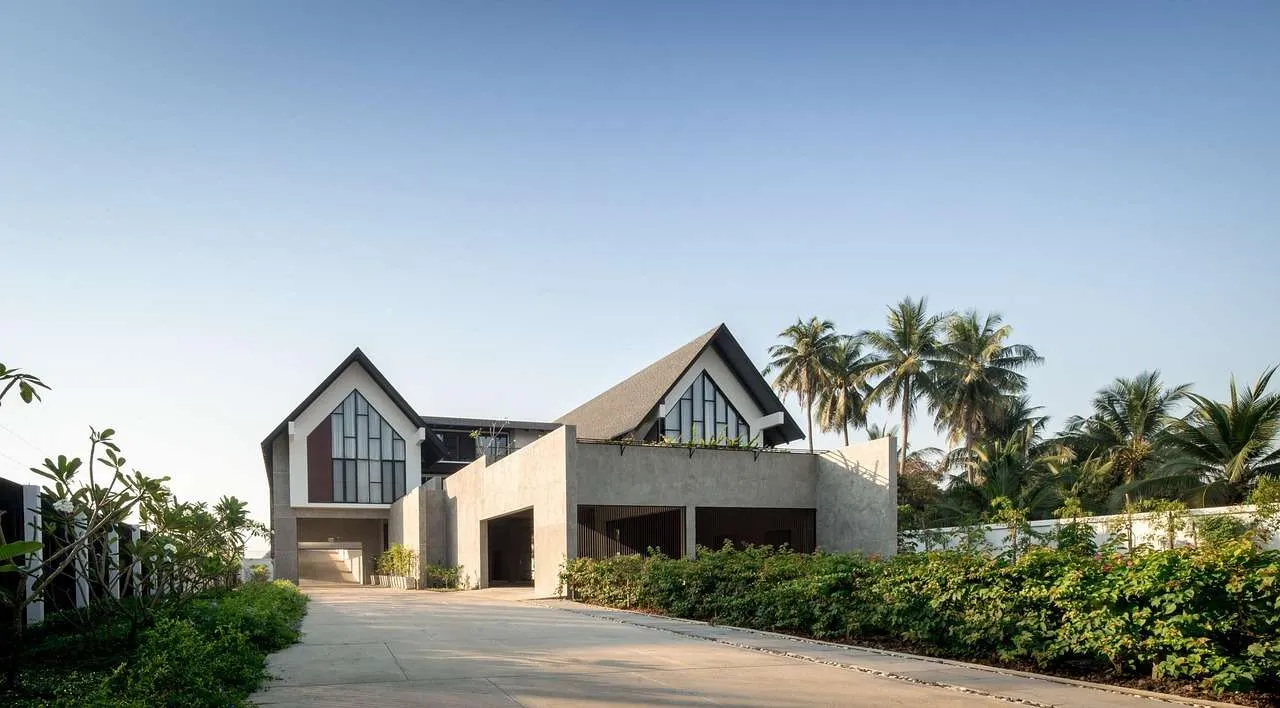
Repair of Roofing: Essential Guide
Read More >